If you've ever been on the road and felt your steering wheel vibrating, you're not alone. Steering wheel vibration can be a common issue in cars, and it's essential to understand the causes behind it and how to address the problem effectively.
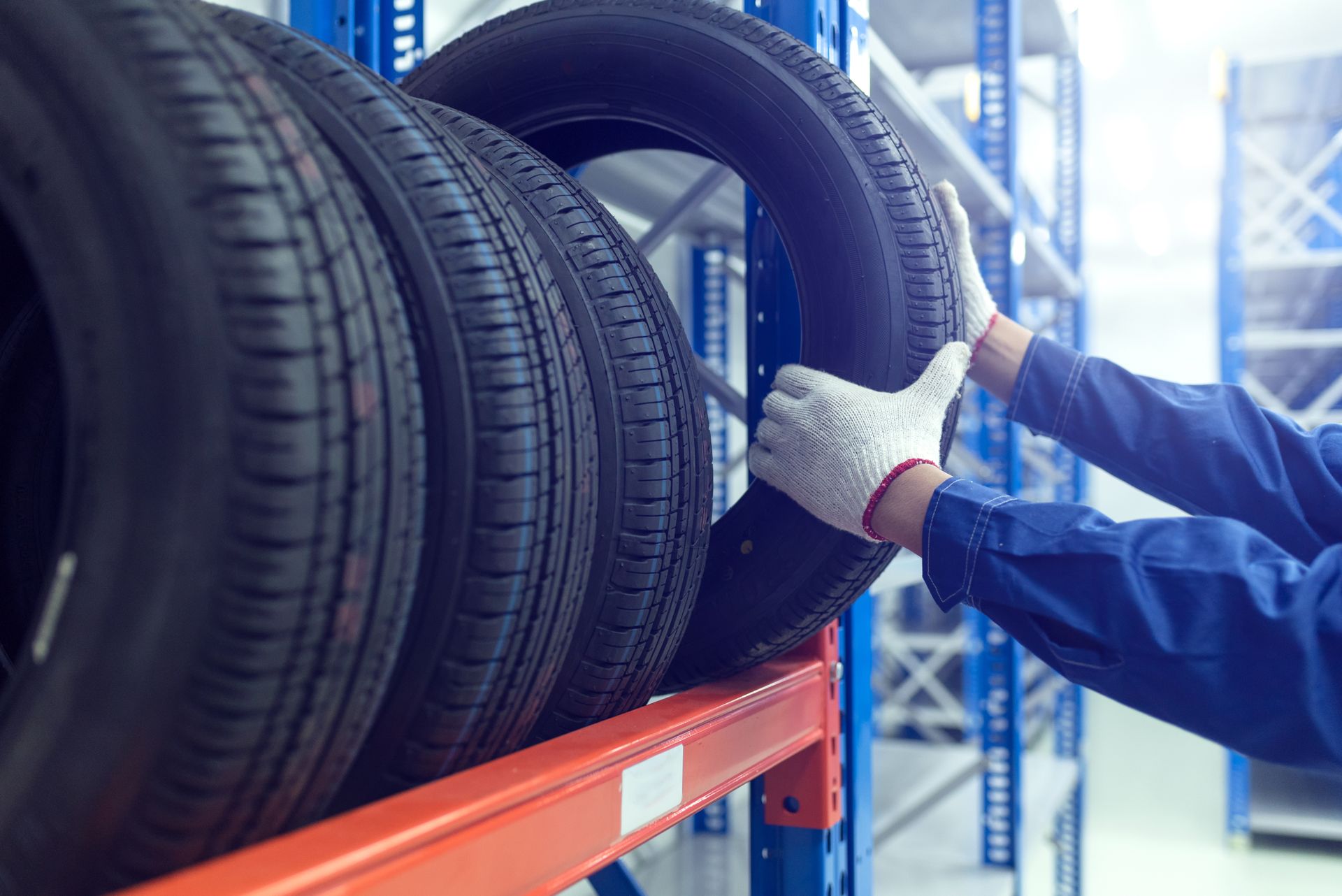
One of the primary reasons for steering wheel vibration is tire imbalance. Even a small weight difference in your tires can lead to noticeable vibrations. This issue can become more pronounced as your vehicle's speed increases.
Misaligned wheels are another leading cause of steering wheel vibrations. Wheel misalignment can result in uneven tire wear and an unsteady ride, making it crucial to get your wheel alignment checked and adjusted as needed.
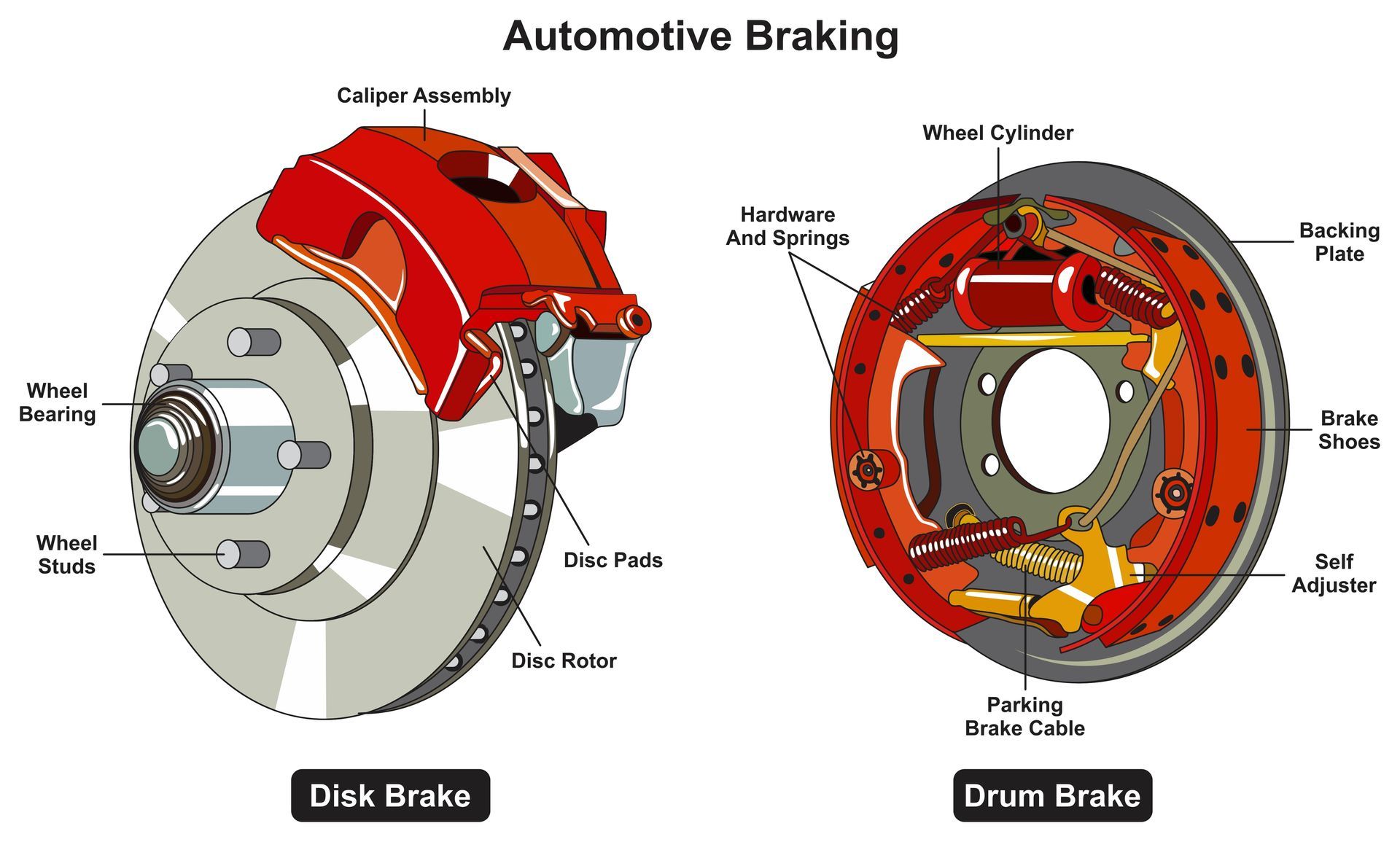
Worn-out or warped brake rotors can also create vibrations when you apply the brakes. The vibrations can be felt through the steering wheel and are often a sign that your brakes need attention.
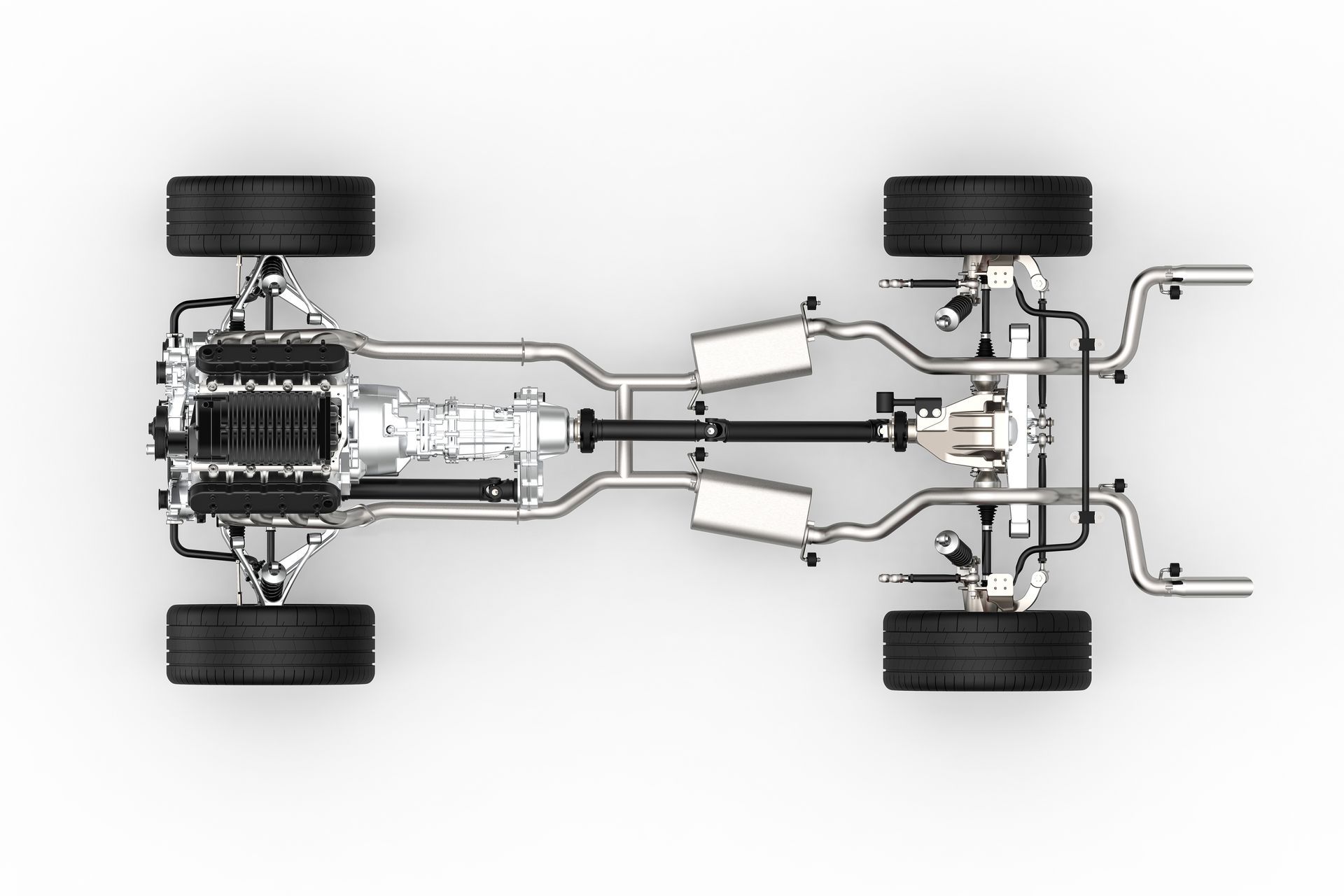
Suspension problems can be a more complex cause of steering wheel vibration. Damaged or worn suspension components can transmit vibrations from the road to your steering wheel. This issue can be challenging to diagnose without a professional inspection.
Additionally, worn-out parts such as bushings, ball joints, or tie rods can negatively affect your car's stability, resulting in vibrations in the steering wheel.
Finally, wheel and tire damage, including bent wheels or damaged tires, can lead to noticeable vibrations, especially at higher speeds.
|Dealing with Steering Wheel Vibration
To address steering wheel vibration, it's essential to identify the root cause. Here are the steps to take:
1. Tire Balance
If the issue is related to tire imbalance, a straightforward solution is to have your tires balanced. This is a routine maintenance task that ensures equal weight distribution among your tires.
2. Wheel Alignment Check
Misaligned wheels can be corrected through a wheel alignment service. Proper wheel alignment can significantly improve your driving experience and reduce vibrations.
3. Brake Inspection
If vibrations occur mainly when you apply the brakes, it's vital to have your brakes inspected. Brake rotors may need resurfacing or replacement to resolve the issue.
4. Suspension Evaluation
For vibrations related to the suspension system, it's advisable to have a professional inspect your car. They can identify worn or damaged components and recommend the necessary repairs.
5. Wheel and Tire Assessment
A visible check of your wheels and tires can reveal any obvious damage, such as bent wheels or damaged tires. If you find issues, replacing these components can resolve the problem.
6. Regular Maintenance
To prevent steering wheel vibration, make regular maintenance a priority. This includes tire rotation, balance checks, and wheel alignment, ensuring your car remains in top condition.
Steering wheel vibration may be a common issue, but it doesn't have to disrupt your driving experience. By understanding the potential causes and taking appropriate action, you can enjoy a smoother and safer ride. Fortunately, you can count on the team at First Class Auto Service to address your steering wheel vibrations promptly. Don't let vibrations keep you from enjoying your time on the road.