Navigating the world of cars can sometimes feel like trying to decipher an ancient manuscript. Among the myriad of terms and specifications, the distinction between Front-Wheel Drive (FWD) and Rear-Wheel Drive (RWD) vehicles stands out as a fundamental aspect that shapes a car's character and behavior on the road.
The Core Difference: Power Delivery
At the heart of the FWD vs. RWD debate is the question of where the power from the engine is directed. FWD cars channel their muscle to the front wheels, pulling the vehicle forward.
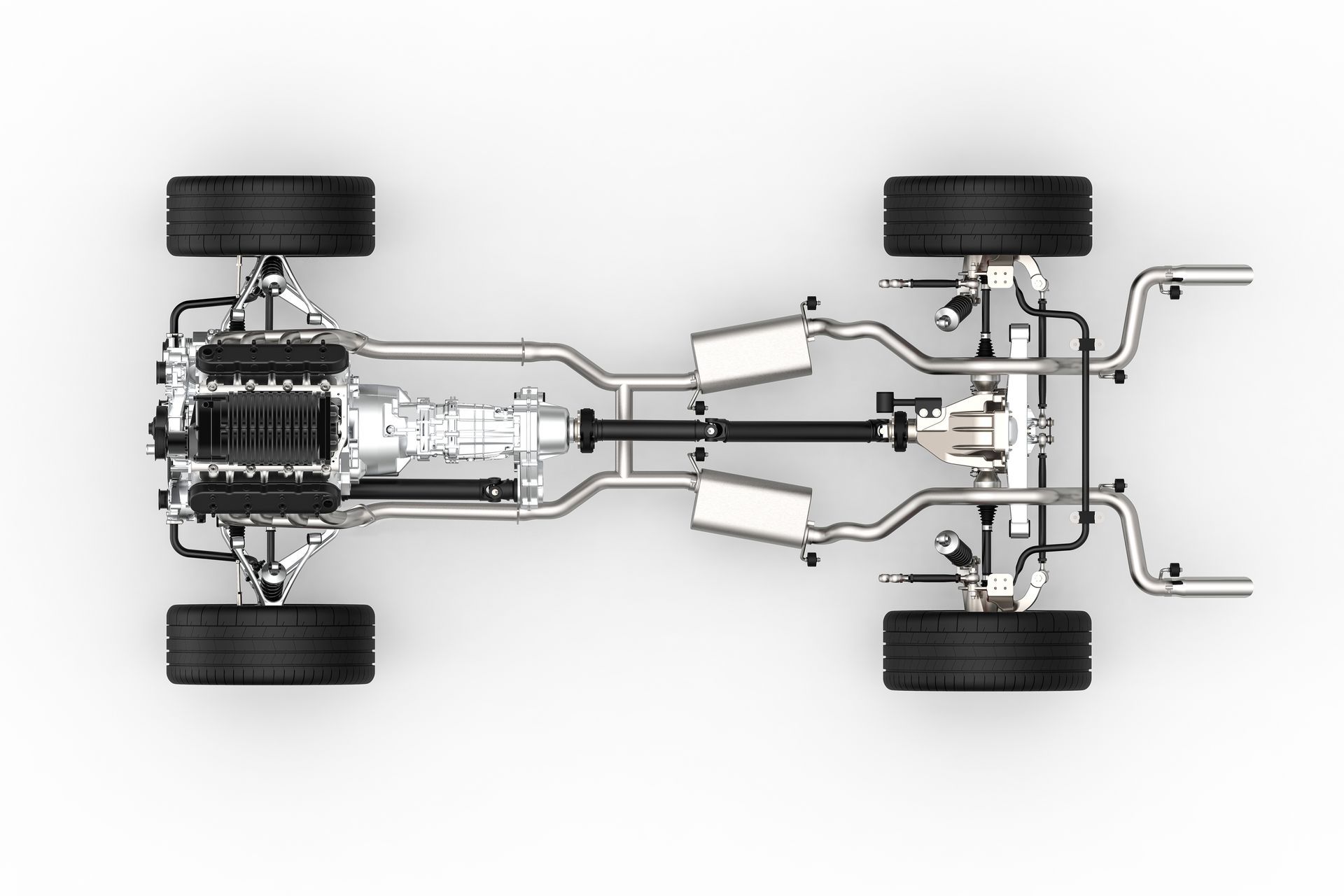
In contrast, RWD vehicles send power to the rear wheels, pushing the car ahead. This fundamental difference in power delivery influences everything from handling to space efficiency in the vehicle's design.
Handling and Performance Dynamics
RWD cars are often celebrated for their handling prowess. By distributing the car's weight more evenly and separating the duties of steering and acceleration between front and rear wheels, RWD vehicles can offer a more balanced and engaging driving experience, especially in performance situations. FWD cars, however, are typically more pragmatic, offering adequate handling for everyday driving with the added benefit of better traction in slippery conditions, thanks to the weight of the engine being over the driving wheels.
If you are looking for real-world examples of FWD and RWD cars, almost all BMWs are rear-wheel drive, and vehicles on the more affordable side are FWD - like the Ford Focus.
Space Efficiency and Cost
One of the practical advantages of FWD vehicles is their space efficiency. Without the need to accommodate a drivetrain running to the rear wheels, FWD cars can offer more interior space and a lower manufacturing cost, making them a popular choice for compact and economy vehicles. On the flip side, rear-wheel drive setups, with their more complex drivetrain layout, can increase vehicle cost and reduce space for passengers and cargo but are often used in luxury and sports cars where performance and driving experience are prioritized.
Weather and Terrain Adaptability
When it comes to tackling different weather conditions and terrains, the distinction between FWD and RWD becomes particularly relevant. FWD vehicles generally perform better in wet or snowy conditions, as the traction at the front wheels can aid in preventing tire slip during acceleration. Conversely, RWD vehicles might struggle in these conditions without proper tires or additional weight over the rear axle, although they excel in dry conditions where performance driving is involved.
Fuel Efficiency and Weight Distribution
FWD vehicles often boast better fuel efficiency due to their simpler and lighter drivetrain, which contributes to a lower overall vehicle weight. This efficiency makes them a favorite among economy-minded drivers. RWD cars, with their potentially heavier drivetrain components, might not be as fuel-efficient but offer a driving experience that enthusiasts and professionals appreciate, especially for its superior balance and handling characteristics.
Maintaining FWD and RWD Systems: A Closer Look
Maintaining your vehicle's drivetrain, whether FWD or RWD, is crucial for ensuring longevity, performance, and safety. Here's a deeper dive into how you can keep both systems running smoothly:
For FWD Vehicles:
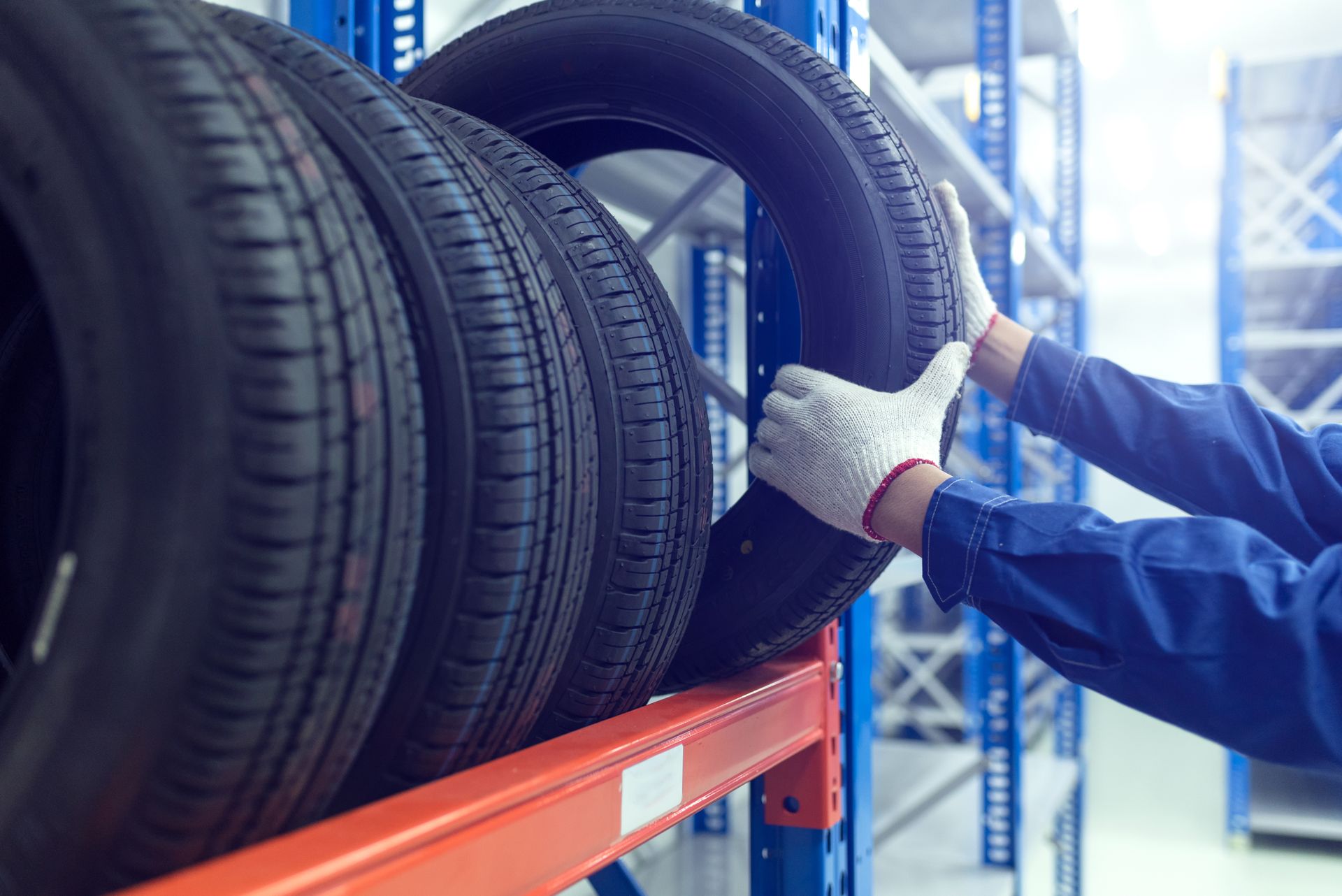
- Tire Rotation and Alignment: Front tires on FWD vehicles bear the brunt of power delivery, steering, and braking forces, leading to quicker wear. Regular tire rotation helps even out tire wear, and keeping wheels aligned ensures the vehicle drives straight and reduces tire wear.
- Suspension Checks: The front suspension components of FWD vehicles, including shocks and struts, can also wear out faster due to the increased load. Regular inspections can catch issues before they lead to bigger problems.
- Transmission Fluid: The transmission plays a crucial role in delivering power from the engine to the front wheels. Ensure the transmission fluid is checked and changed according to the manufacturer's recommendations to prevent premature wear and failure.
For RWD Vehicles:
- Differential Maintenance: The differential, which allows the rear wheels to turn at different speeds during cornering, is a key component of RWD systems. Regular checks and fluid changes are crucial for preventing wear and ensuring smooth operation.
- Drive Shaft Inspections: RWD vehicles use a drive shaft to transmit power from the engine to the rear wheels. This component should be inspected for signs of wear or damage, such as vibrations or strange noises, which could indicate a need for repair or replacement.
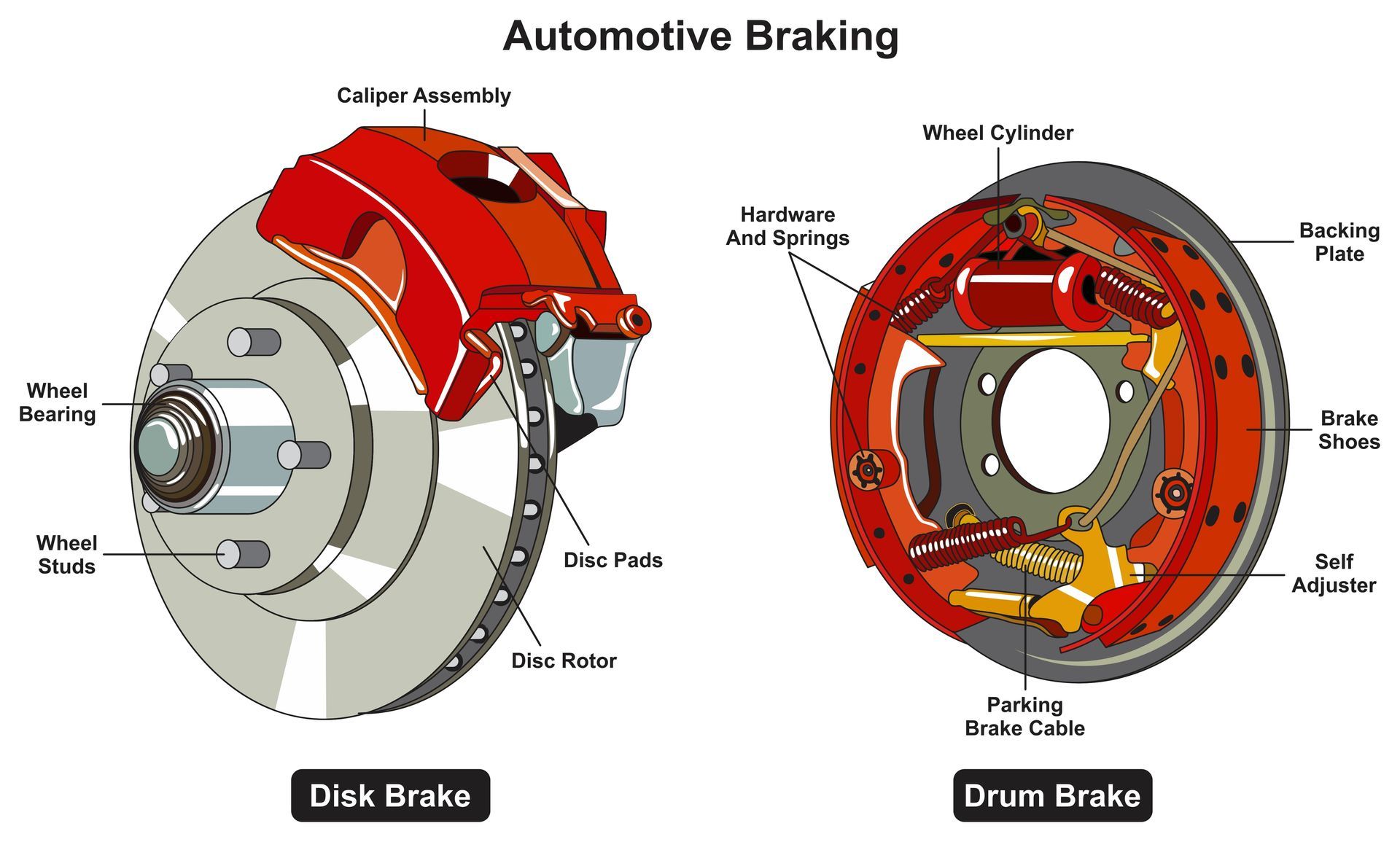
- Brake Balance: Since RWD vehicles distribute weight more evenly, it's important to maintain the braking system to ensure even wear on front and rear brakes. Regular brake checks and maintenance can prevent uneven wear and ensure optimal stopping performance.
Whether it's a FWD, RWD, all-wheel drive, or 4x4, your car is always welcome at our shop! Call First Class Auto Service, and our team will take care of all your maintenance and repairs.